Offshore hosting means placing your servers in a jurisdiction different from where you operate.
Some choose offshore providers for better privacy laws, others for cost advantages or strategic geographic positioning. Whether you're running a privacy-focused service, need protection from aggressive copyright enforcement, or simply want geographic redundancy, choosing the right offshore host matters.
That said, this guide covers seven providers that excel in offshore hosting scenarios, comparing their locations, privacy protections, technical capabilities, and pricing. Let's dive in.
What makes a good offshore hosting provider?
Beyond the basics of uptime and performance, offshore hosting introduces specific considerations.
Strong legal privacy protections in the host country matter. Jurisdictions outside the Fourteen Eyes intelligence alliance offer more privacy by default. Payment flexibility — including cryptocurrency — adds another layer of separation. Responsive support that understands why customers choose offshore hosting makes troubleshooting smoother.
Technical fundamentals still apply. You need reliable network connectivity, modern hardware, and proper DDoS protection. The best offshore providers don't sacrifice performance for privacy.
The 7 best offshore hosting providers
1. QDE
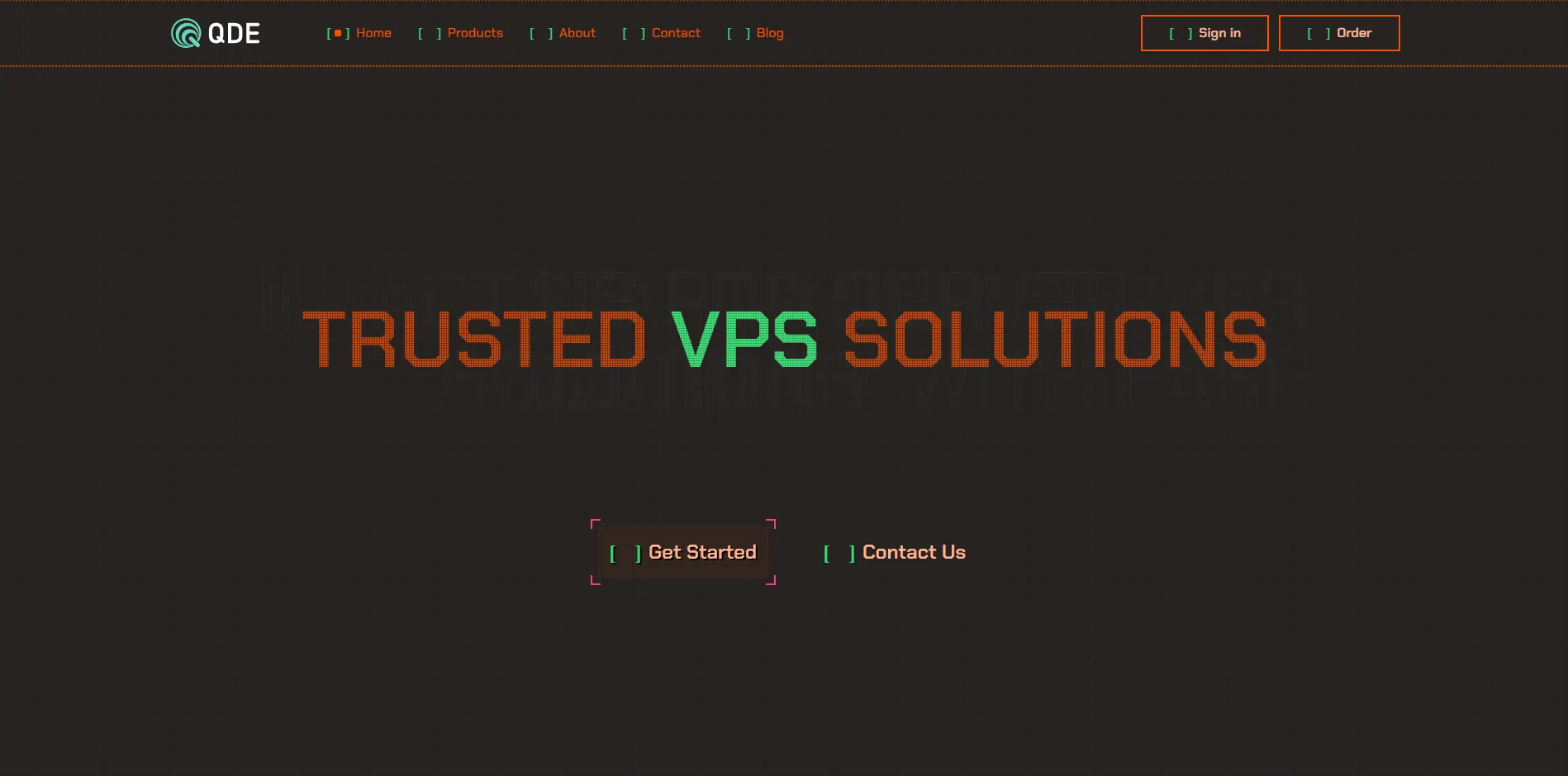
QDE provides high-performance VPS hosting from the Netherlands, one of Europe's most privacy-friendly jurisdictions. Dutch data protection laws offer strong GDPR compliance and favorable data sovereignty compared to many other countries, while the Netherlands serves as a major European connectivity hub.
All QDE VPS plans feature KVM virtualization with full root access, giving you complete control over your Linux environment. Infrastructure includes pure NVMe storage across all plans, 10 Gbps uplinks for excellent network performance, and daily backups with snapshot options. The Netherlands location provides low-latency connectivity throughout Europe and solid global reach.
QDE offers unmanaged VPS hosting, scaling from affordable entry-level configurations ideal for testing or lightweight workloads up to high-performance packages featuring multiple AMD EPYC or Intel Xeon cores with generous RAM and bandwidth allocations. All services come with a 99.9% uptime SLA.
Pricing is competitive for the Netherlands market, with transparent costs and no hidden fees. Cryptocurrency is also accepted. Support responds via email and ticketing, typically within 24 hours.
The Netherlands isn't a traditional offshore jurisdiction like Iceland or Malaysia, but Dutch privacy laws make it an excellent choice for European hosting that balances strong legal protections with mainstream accessibility and top-tier infrastructure.
View all QDE Netherlands VPS plans here.
2. Njalla

Njalla takes a unique approach to offshore hosting. Founded by The Pirate Bay's Peter Sunde, Njalla acts as a privacy layer between you and hosting infrastructure. They legally own the servers and domains on your behalf, adding separation between your identity and your online presence.
Available locations include Sweden and several other jurisdictions chosen for privacy-friendly laws. Services include VPS hosting, domain registration, and VPN offerings. All accounts can be created anonymously, and cryptocurrency is the preferred payment method.
Njalla's VPS plans run from around €15 monthly for basic configurations. Performance is solid but not exceptional — you're paying partially for the privacy architecture rather than cutting-edge hardware. Their approach works well for activists, journalists, or anyone needing strong separation between their identity and their hosting.
Support happens through a ticketing system, though response times can vary. The ownership structure means you're trusting Njalla's commitment to privacy, which adds a layer of dependency not present with traditional providers.
3. Shinjiru

Shinjiru specializes in hosting for content that might face restrictions elsewhere. Based in Malaysia, they've built their business around accepting customers other providers turn away, from adult content to political material.
Their infrastructure spans Malaysia, the Netherlands, and the US, giving you jurisdiction choices based on content requirements. Shinjiru explicitly markets their tolerance for controversial material, though they still enforce limits around illegal content like child abuse or explicit terrorism promotion.
Services include shared hosting, VPS, and dedicated servers. VPS plans start around $13 monthly with generous specifications. All services are offshore-focused by design, with legal structures that resist takedown requests from foreign jurisdictions.
Support is available 24/7 and understands the unique needs of offshore customers. The main tradeoff is cost — you'll pay more than with mainstream providers, and network performance doesn't match tier-one data centers. But for content that needs protection from aggressive enforcement, Shinjiru offers a proven solution.
4. FlokiNET
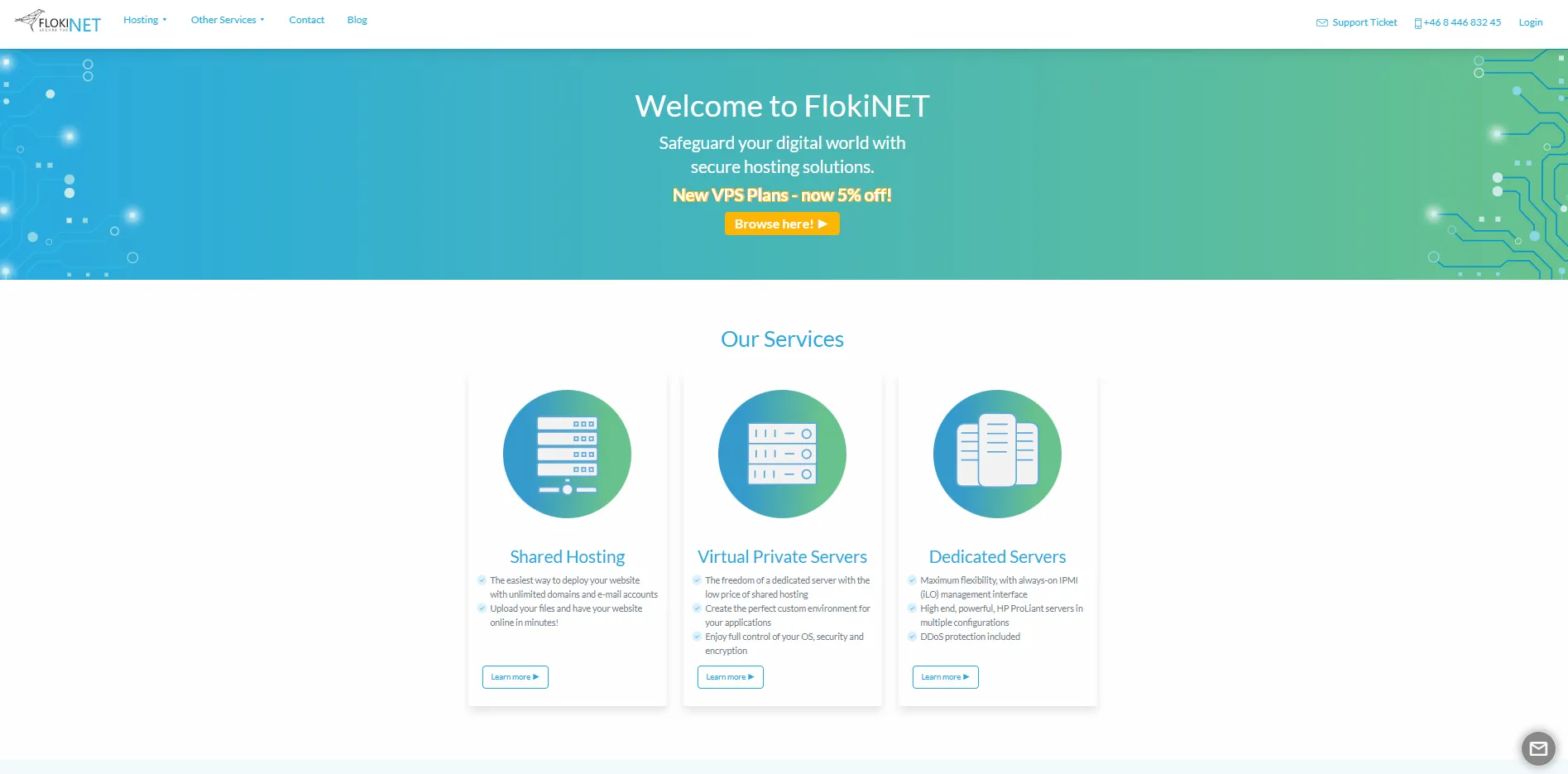
FlokiNET operates from Iceland, Romania, and Finland — all jurisdictions chosen for strong freedom of speech protections and resistance to external pressure. Founded by activists and whistleblower protection advocates, FlokiNET explicitly positions itself as a free speech hosting provider.
Their Iceland location operates under particularly strong press freedom laws, making it popular for journalism and activism. Romanian infrastructure offers good European connectivity with legal independence from Western Europe's more restrictive policies. Finland rounds out their network with another privacy-focused Nordic jurisdiction.
FlokiNET provides shared hosting, VPS, dedicated servers, and colocation. VPS plans start around €8 monthly with NVMe storage and DDoS protection included. They accept cryptocurrency and maintain minimal customer records.
Technical performance is solid with modern hardware and multiple 10 Gbps uplinks. Support responds well to privacy-focused customers and understands the legal landscape around controversial content. The main limitation is smaller infrastructure compared to mainstream providers, which can mean less redundancy.
5. OrangeWebsite
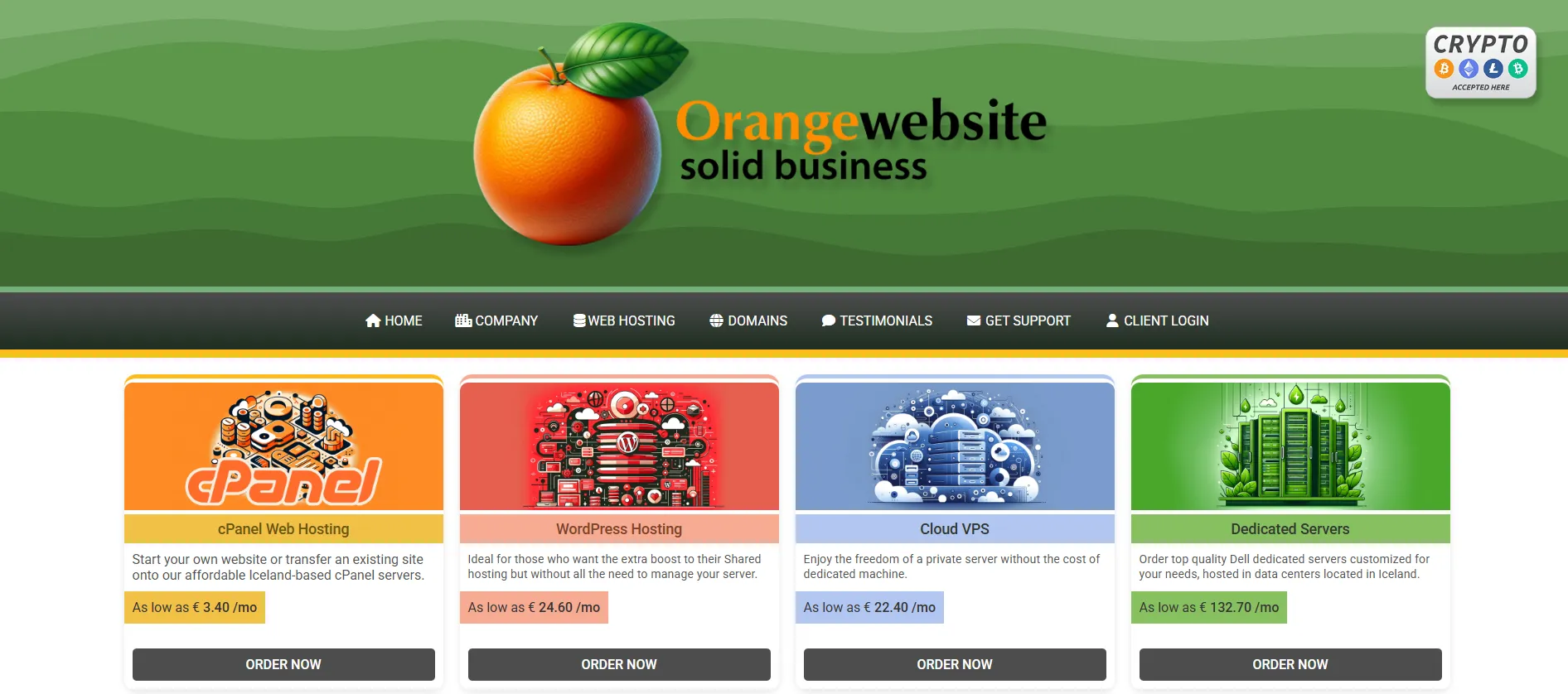
OrangeWebsite operates exclusively from Iceland, focusing purely on that jurisdiction's strong privacy and free speech protections. They've built their reputation around accepting content other providers reject, particularly for political speech and whistleblowing.
Services include shared hosting, VPS, and dedicated servers. VPS configurations start around $25 monthly with solid specifications and DDoS protection. All infrastructure uses green energy from Iceland's geothermal and hydroelectric sources, which adds an environmental angle to the privacy focus.
OrangeWebsite accepts cryptocurrency and maintains strict no-logging policies. They've successfully resisted numerous takedown attempts over the years, establishing credibility in protecting controversial content. Support understands the legal landscape and works proactively with customers facing external pressure.
The single-location approach means less geographic redundancy than multi-jurisdiction providers. Network performance is good but reflects Iceland's position at Europe's edge rather than in a major connectivity hub. Pricing runs higher than mainstream providers, but that's standard for specialized offshore hosting.
6. 1984 Hosting
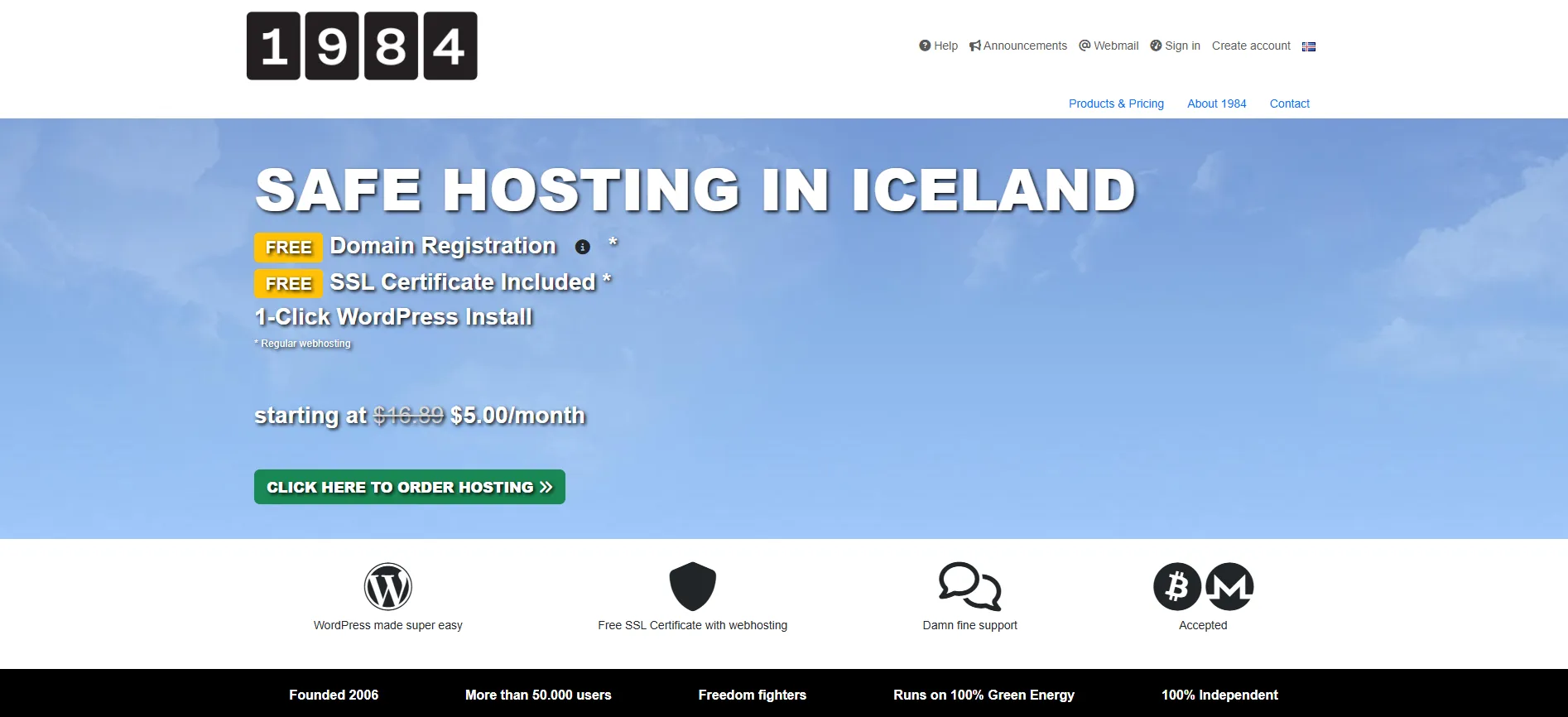
1984 Hosting is another Iceland-based provider, named after Orwell's novel to emphasize their privacy commitment. They combine offshore hosting benefits with a more conventional business approach than some competitors.
Services span shared hosting, VPS, dedicated servers, and email hosting.
VPS plans start around $8 monthly with FreeBSD or Linux options. Hardware is modern with SSD storage standard across plans. Network connectivity is solid with multiple carriers and DDoS protection included.
1984 accepts cryptocurrency but also works with traditional payment methods. Support is responsive and technically competent, handling both routine questions and privacy-specific concerns. The company maintains transparent policies about data handling and legal response procedures.
Compared to more aggressive offshore providers, 1984 Hosting takes a balanced approach — strong privacy protections without explicitly marketing to controversial content.
7. Bahnhof
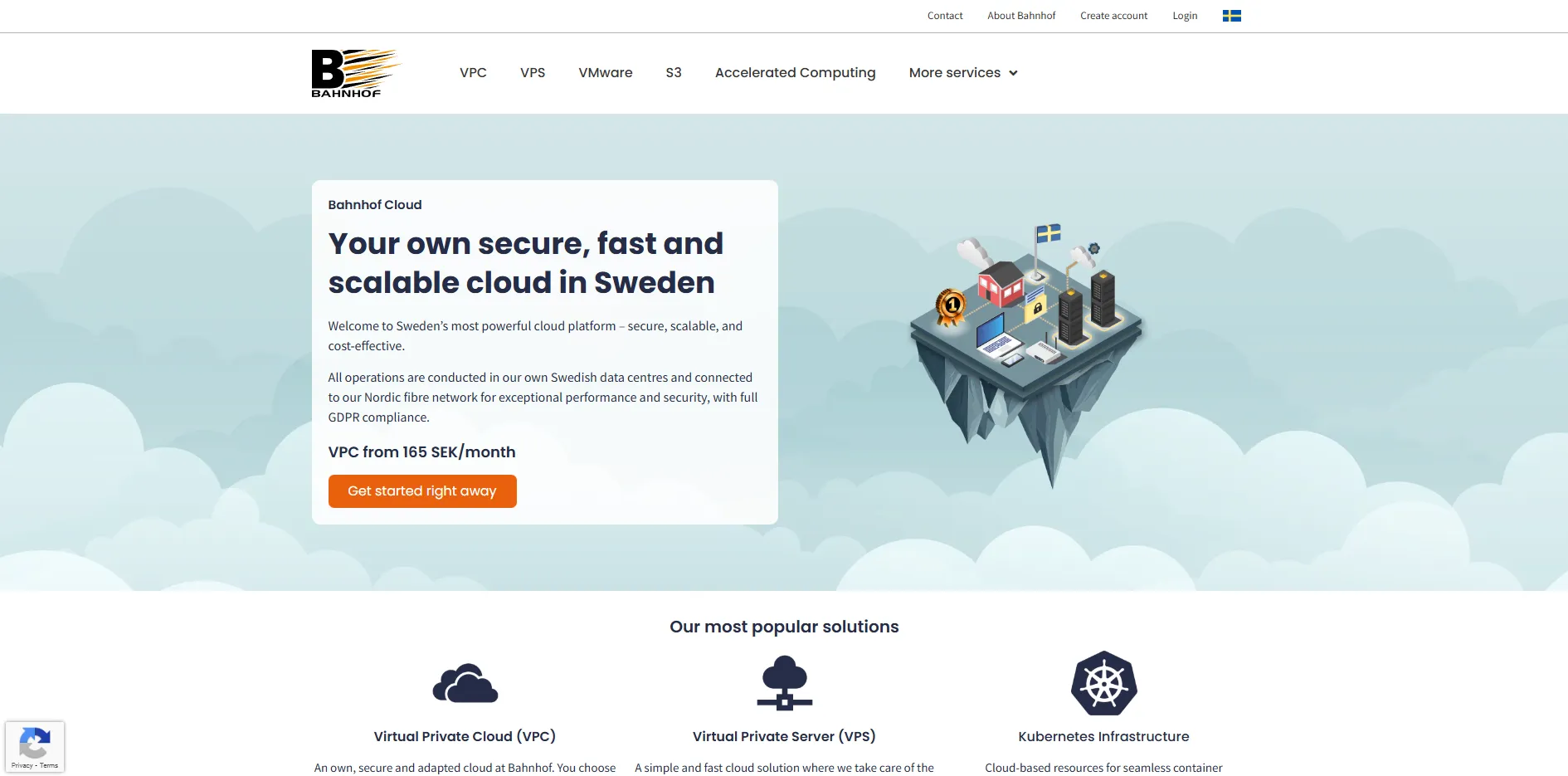
Bahnhof is a Swedish provider that became famous for hosting WikiLeaks in a former nuclear bunker. While they serve mainstream customers, their infrastructure and policies support privacy-focused hosting.
Sweden's legal framework protects press freedom and limits government surveillance compared to many other countries. Bahnhof has publicly resisted surveillance requests and advocates for strong privacy protections. Their physical security is exceptional, with some infrastructure literally underground in former military installations.
Services include VPS, dedicated servers, and colocation. Pricing is higher than budget providers, starting around €10 monthly for VPS, but specifications are generous. Network performance is excellent with multiple 10 Gbps uplinks and strong DDoS protection.
Support operates in Swedish and English with good technical depth. Bahnhof is more selective about customers than some offshore specialists, maintaining standards around legal content while still protecting privacy. The main limitation is availability — they primarily serve European customers and some services require Swedish identification.
Offshore hosting provider comparison
| Provider | Location(s) | Starting Price | Privacy Level | Crypto Payment | Best For |
|---|
| QDE | Netherlands | ~€4/mo | Strong (GDPR) | Yes | European hosting with excellent connectivity and legal protections |
| Njalla | Sweden, multiple | ~€15/mo | Maximum | Yes | Maximum identity separation and anonymity |
| Shinjiru | Malaysia, NL, US | ~$13/mo | High | Yes | Controversial content requiring protection |
| FlokiNET | Iceland, Romania, Finland | ~€8/mo | High | Yes | Free speech hosting with multiple jurisdiction options |
| OrangeWebsite | Iceland | ~$25/mo | High | Yes | Single-jurisdiction Iceland hosting with green energy |
| 1984 Hosting | Iceland, Denmark, Sweden | ~$8/mo | High | Yes | Balanced privacy with mainstream usability |
| Bahnhof | Sweden | ~€10/mo | High | Limited | High-security hosting with exceptional physical security |
Comparing offshore hosting providers
When choosing among these providers, consider your specific needs. For European hosting with strong privacy protections and excellent infrastructure, QDE's Netherlands location offers GDPR compliance with top-tier connectivity. If you need strong separation between your identity and hosting, Njalla's ownership model provides that architecture.
Content that faces restrictions benefits from FlokiNET, Shinjiru, or OrangeWebsite's explicit tolerance policies. More conventional projects that simply want good privacy can use 1984 Hosting or Bahnhof's mainstream-compatible approach.
Privacy protections matter more than raw performance for most offshore scenarios, though providers like QDE and Bahnhof deliver both. Accept that specialized offshore hosting typically costs more than mainstream alternatives — you're paying for legal protection and specialized positioning.
Offshore hosting considerations
Choosing a jurisdiction means understanding its legal landscape. Nordic countries and Iceland offer strong privacy laws with practical government limits on surveillance. The Netherlands provides GDPR protections with excellent connectivity infrastructure. Asian locations like Malaysia and Hong Kong provide access to regional markets with different regulatory frameworks. Eastern European countries often balance privacy protection with lower costs.
Payment method affects your anonymity. Cryptocurrency provides the most separation, though you still need technical measures to protect your identity during transactions. Some providers accept cash by mail, though this is becoming rare.
Bandwidth can cost more in offshore locations compared to major connectivity hubs. Providers in Iceland or some Asian locations may charge higher rates for bandwidth or impose lower monthly allocations. Factor this into your budget if you expect significant traffic.
Backup strategies should account for jurisdiction. If your primary concern is protecting content from your home country's enforcement, keeping backups only offshore makes sense. For general redundancy, consider a geographic split that includes different legal jurisdictions.
Conclusion
Offshore hosting serves various needs, from privacy protection to content freedom to strategic positioning. The providers above offer different balances between privacy, performance, and cost.
QDE leads for European hosting that combines strong Dutch privacy laws with exceptional infrastructure and connectivity. FlokiNET and OrangeWebsite excel at protecting controversial content. Njalla provides the strongest identity separation. 1984 Hosting and Bahnhof offer mainstream usability with strong privacy fundamentals.
Thanks for reading! If you're exploring privacy-friendly hosting with excellent European connectivity, QDE provides high-performance VPS hosting in the Netherlands backed by NVMe storage, 10 Gbps uplinks, and daily backups. Dutch data protection laws offer strong GDPR compliance and favorable data sovereignty, making the Netherlands an ideal choice for projects that need both privacy and performance.
Need help choosing the right hosting approach for your project? Contact our team to discuss your requirements.
Frequently asked questions about offshore hosting
What is offshore hosting?
Offshore hosting means placing your servers in a country different from where you or your business operates. People choose offshore hosting for better privacy laws, content freedom, or strategic reasons like serving international audiences from neutral locations.
Is offshore hosting legal?
Yes, offshore hosting is completely legal. You're simply choosing to host in a different jurisdiction, which is a normal business decision. However, hosting illegal content remains illegal regardless of location — offshore providers can't protect you from content that violates laws in the jurisdiction where you host.
Do I need technical skills for offshore hosting?
Most offshore providers offer unmanaged services, which means you need Linux administration skills. Some provide managed services, but these are less common in the offshore space. If you're not comfortable managing your own server, look for providers that explicitly offer managed support or consider using a managed service in a privacy-friendly jurisdiction.
Can offshore hosting protect me from copyright claims?
Jurisdiction matters for copyright enforcement. Hosting in countries with different copyright laws or that resist foreign legal pressure can provide some protection, but this varies significantly by location and situation. Offshore hosting doesn't make copyright infringement legal — it just changes the enforcement landscape.
What payment methods do offshore providers accept?
Most offshore providers accept cryptocurrency for maximum privacy. Traditional payment methods like credit cards and PayPal are also common, though they provide less anonymity. Some specialized providers accept cash by mail or alternative payment systems. Choose based on your privacy requirements versus convenience.
